
The Darkest Season
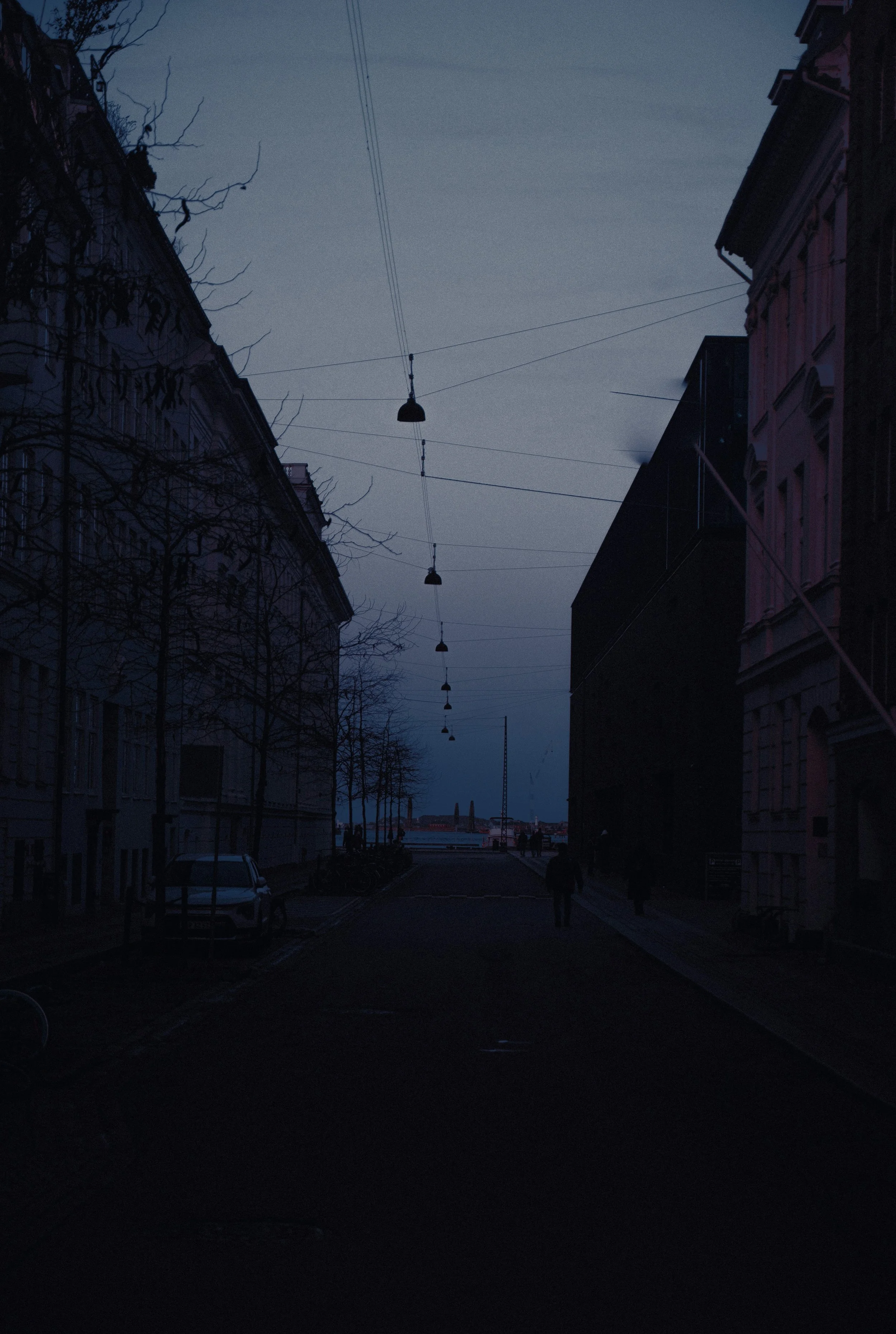
During Copenhagen winters, the sun sets before most people leave work. By February, the city had spent months in near-constant darkness. Days blur together, and the city that feels so alive in summer goes quiet.
For Danes, this goes deeper than an inconvenience. Nordic winters have made people here remarkably sensitive to light: how much they get, how good it is, and how it makes a space feel. In a culture known for its deep sensitivity to light, losing it means losing warmth, atmosphere, and each other.
The Copenhagen Light Festival exists to bring all three back.
Stepping Into the Dark
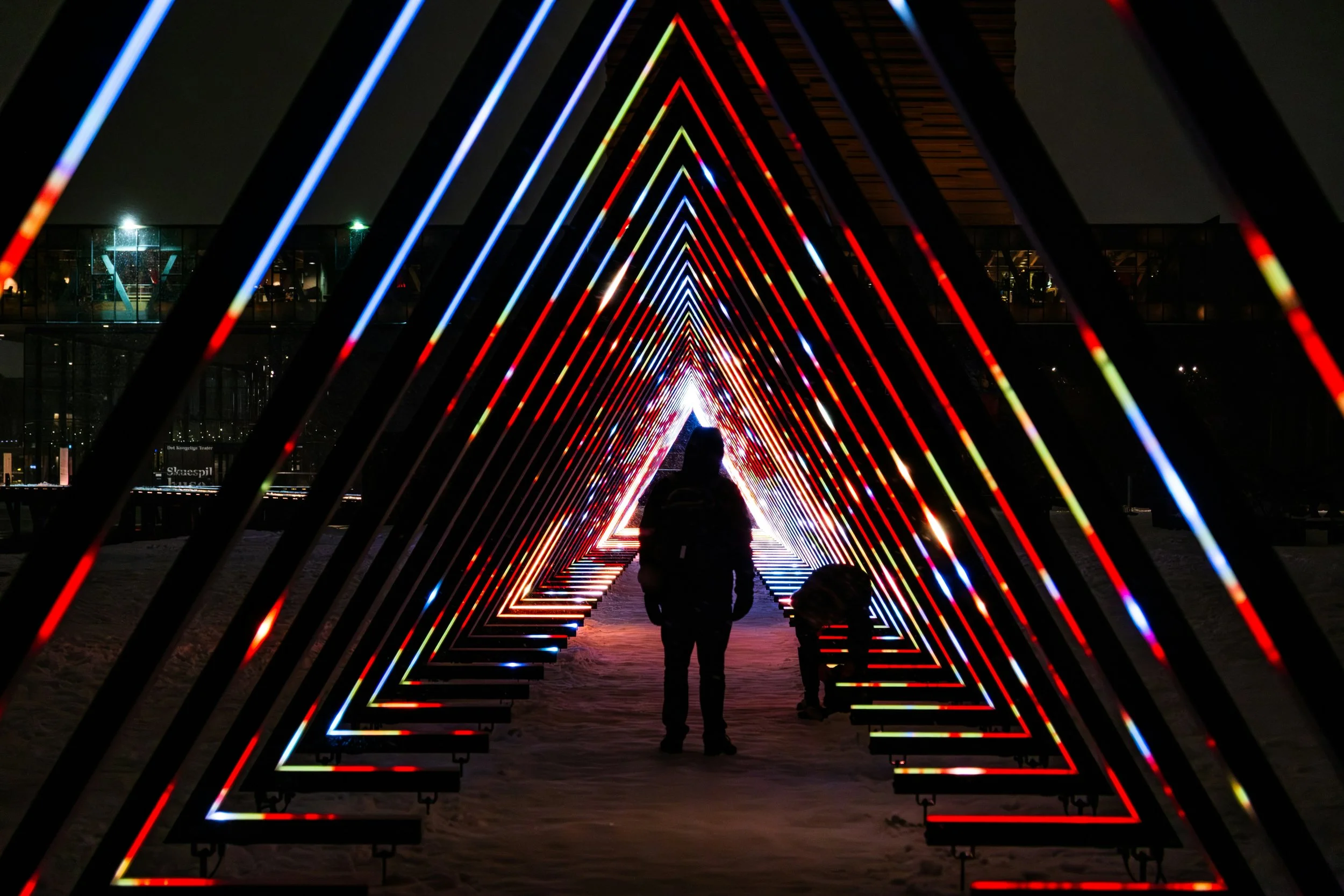
For three weeks every February, artists from around the world fill Copenhagen's streets, bridges, and harbor with installations made of light.
The festival doesn't overpower the darkness.
It gives people a reason to step back into it, together. Strangers stop at the same glowing piece, share the same moment of wonder, and leave feeling a little less alone. We all have our differences, but we all need light.
That shared need became the idea behind the entire identity: light connects us all.
No artist captured that idea better than Picasso. In 1949, photographer Gjon Mili showed him photos of ice skaters with lights attached to their skates. Picasso was so taken with them that he picked up a small flashlight and began drawing in the air, with Mili’s camera catching each stroke in a long exposure.
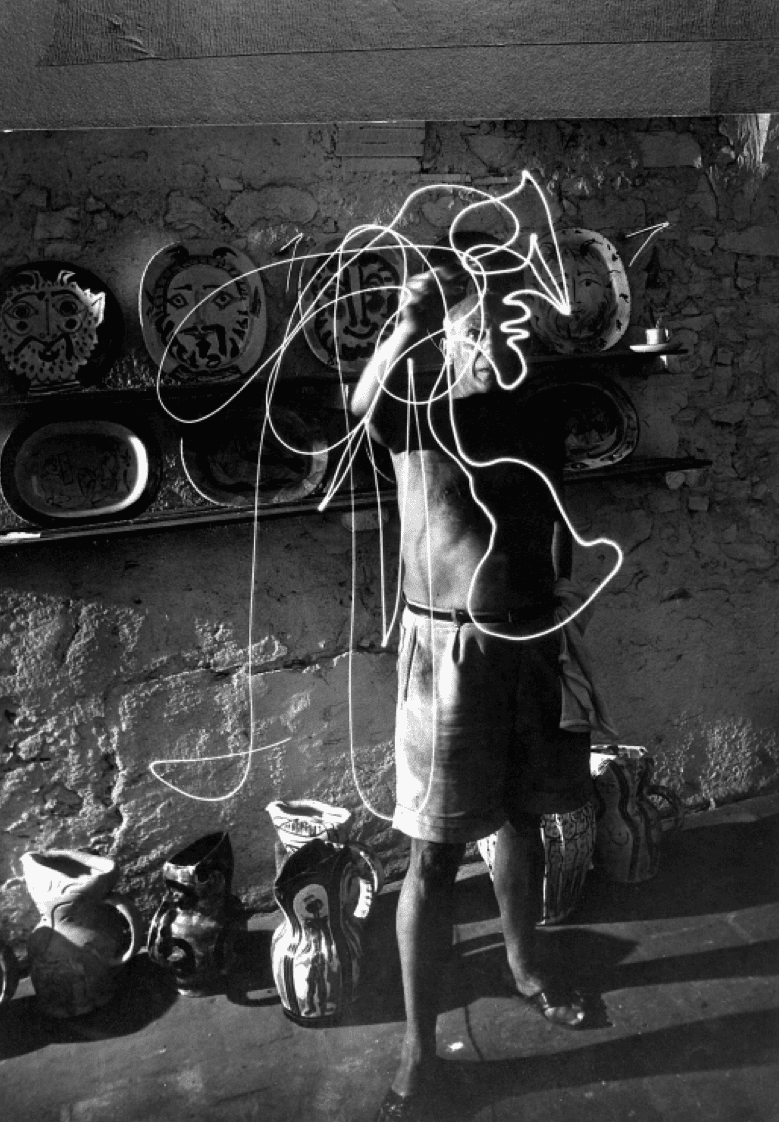
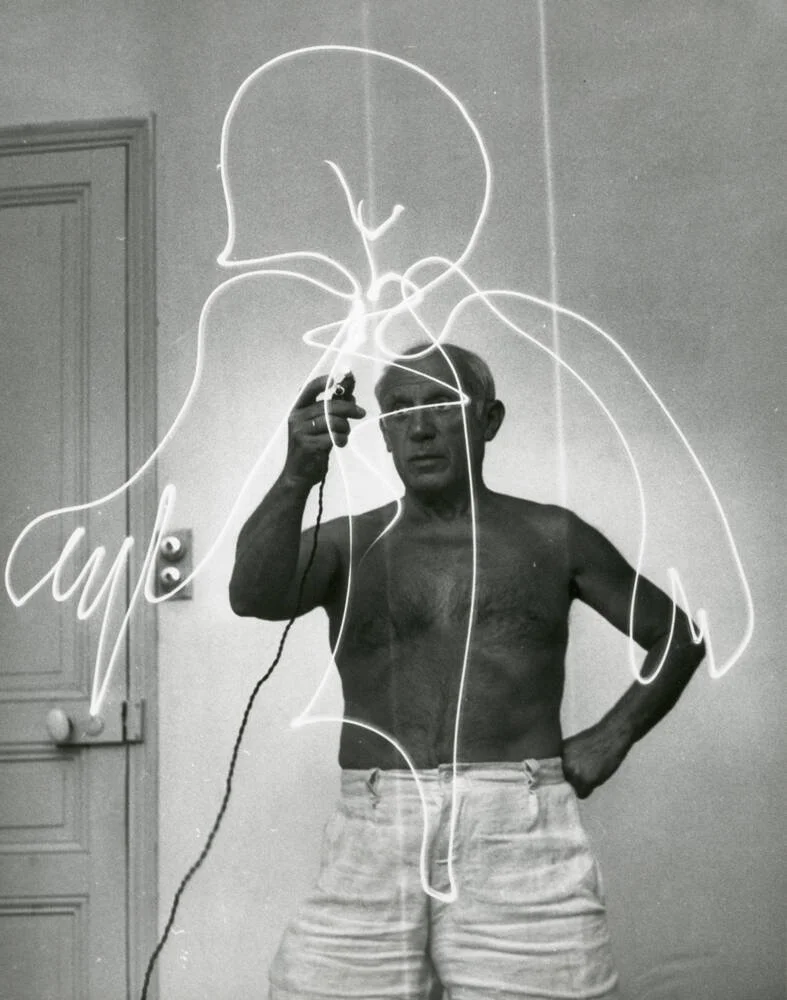
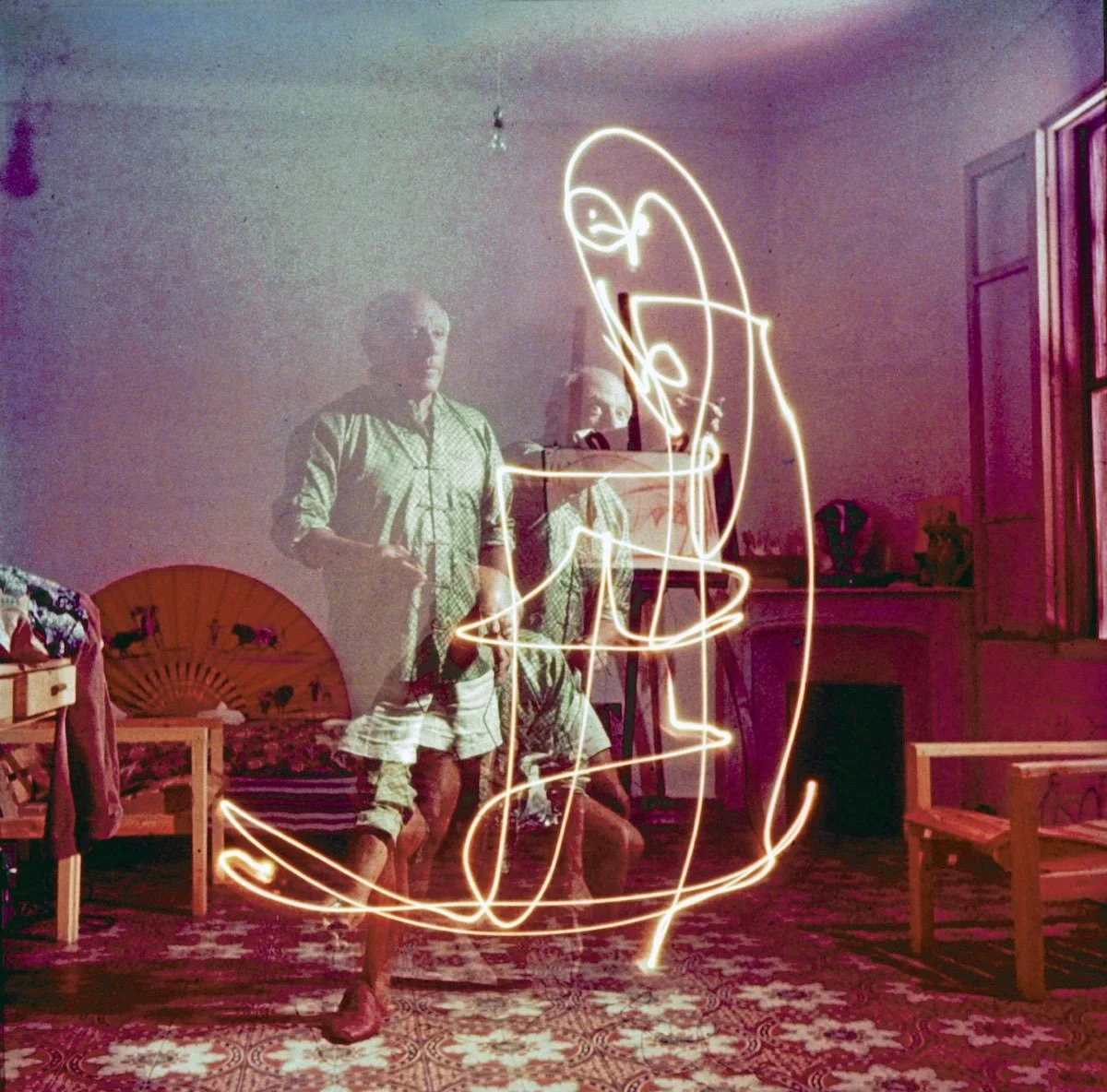
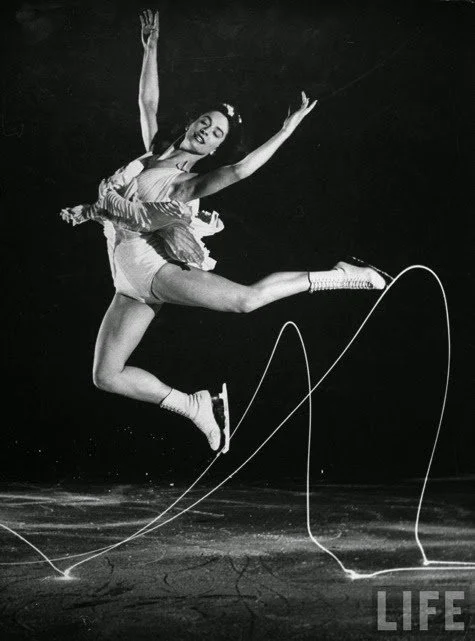
He didn’t need a canvas or paint, just his hand and a small light. With a single gesture, Picasso proved to the world that we all carry our own light, with the power to create it and share it with others. And when we share it, something magical happens